
Understanding Key AC Components and How Repairs Keep Them Functional
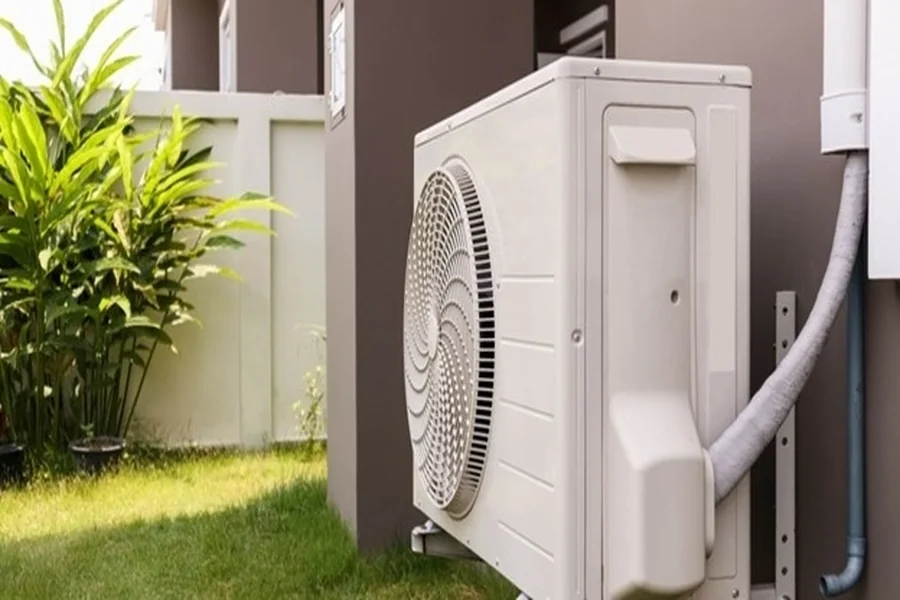
Air conditioning systems play a central role in maintaining indoor comfort, particularly in regions where high temperatures are a constant challenge. We will explore how the various components of an AC system work together and how timely repairs ensure their continued functionality. Each part has a defined role, and even minor malfunctions can disrupt the entire system’s performance. Understanding these elements not only helps in recognizing early warning signs but also supports better maintenance decisions. Examining the internal structure and repair dynamics makes it easier to appreciate how consistent upkeep prevents inefficiencies, unexpected breakdowns, and costly replacements over time.
The Compressor and Its Role in System Circulation
The compressor is often considered the driving force of an air conditioning system because it circulates refrigerant through the entire unit. It compresses the refrigerant gas, raising its pressure and temperature before sending it to the condenser. This process is essential for heat exchange, allowing warm indoor air to be cooled effectively. When the compressor begins to fail, the system may struggle to maintain consistent temperatures or may stop cooling altogether, which is why timely attention through a reliable Dothan Air conditioning repair service becomes important. Repairs related to the compressor often involve addressing electrical faults, refrigerant imbalances, or mechanical wear within its internal components. Regular inspection ensures that issues such as overheating or unusual noises are detected early. Without proper repair and maintenance, compressor failure can lead to a complete system shutdown, making it one of the most critical components to monitor for long-term reliability.
Evaporator and Condenser Coils in Heat Exchange
The evaporator and condenser coils work together to facilitate the heat exchange process that defines air conditioning. The evaporator coil absorbs heat from indoor air, while the condenser coil releases that heat outside. Over time, these coils can accumulate dust, dirt, and debris, which restricts airflow and reduces efficiency. When airflow is compromised, the system must work harder to achieve the desired temperature, leading to increased energy consumption and potential strain on other components. Repairs for these coils often involve cleaning, fixing leaks, or replacing damaged sections. Corrosion or refrigerant leaks can significantly impact performance and require immediate attention. Maintaining these coils through periodic servicing ensures efficient heat transfer and prevents unnecessary stress, ultimately extending the lifespan of the entire unit.
Air Filters and Airflow Regulation
Air filters are essential for maintaining indoor air quality and ensuring proper airflow within the system. They trap dust, allergens, and other airborne particles, preventing them from entering sensitive components like coils and fans. However, clogged or dirty filters can severely restrict airflow, causing the system to overwork and potentially overheat. This not only reduces efficiency but also increases the risk of component failure. Repairs in this area are often straightforward, involving cleaning or replacing the filters, but their impact is significant. Neglecting air filter maintenance can lead to uneven cooling, higher energy bills, and additional strain on the compressor and fans. By ensuring that filters are regularly inspected and replaced as needed, the system can maintain consistent airflow and operate more effectively, reducing the likelihood of more complex repairs.
Thermostat and Electrical Components in System Control
The thermostat and associated electrical components serve as the control center of an air conditioning system. The thermostat regulates temperature settings and communicates with the system to maintain the desired indoor climate. Faulty wiring, sensor issues, or outdated thermostat models can lead to inaccurate temperature readings or inconsistent system operation. Electrical components such as capacitors, relays, and circuit boards also play a vital role in powering and coordinating different parts of the system. Repairs in this area often require careful diagnosis to identify issues like short circuits, worn-out connections, or calibration errors. Addressing these problems promptly ensures that the system responds accurately to user settings and operates safely. Consistent maintenance of electrical components reduces the risk of sudden failures and helps maintain overall system stability.
Fan Systems and Air Distribution Efficiency
Fan systems move air across the evaporator coil and distribute cooled air throughout the indoor space. There are typically two fans in an AC system: the indoor blower fan and the outdoor condenser fan. If either of these fails, airflow is disrupted, leading to reduced cooling efficiency or component overheating. Common repair issues include motor wear, blade damage, or debris obstruction. When fans are not functioning correctly, the system may produce unusual sounds or fail to circulate air effectively. Regular servicing helps identify wear and tear in fan motors and ensures that blades remain balanced and free from obstruction. Properly functioning fans are essential for maintaining consistent airflow, supporting heat exchange, and preventing unnecessary strain on other components within the system.
Air conditioning systems rely on a network of interconnected components, each contributing to overall performance and efficiency. From the compressor to the thermostat, every element plays a role in ensuring smooth operation. Regular maintenance and timely repairs not only prevent major breakdowns but also enhance energy efficiency and indoor comfort. By staying attentive to how these components function and interact, it becomes possible to maintain a dependable cooling system that performs consistently, even under demanding conditions.