Enhancing the exterior of a property is more than just an aesthetic decision; it reflects the character, maintenance, and value of the home. A fresh and well-executed paint job can dramatically improve how a property is perceived by visitors, potential buyers, and the surrounding community. We will explore how exterior painting contributes not only to visual appeal but also to long-term property value, demonstrating that investing in a home’s exterior yields benefits beyond mere decoration. Properly applied exterior paint protects against environmental damage, signals care and upkeep, and plays a significant role in first impressions, which are crucial in real estate.
Transforming Visual Appeal Through Color and Design
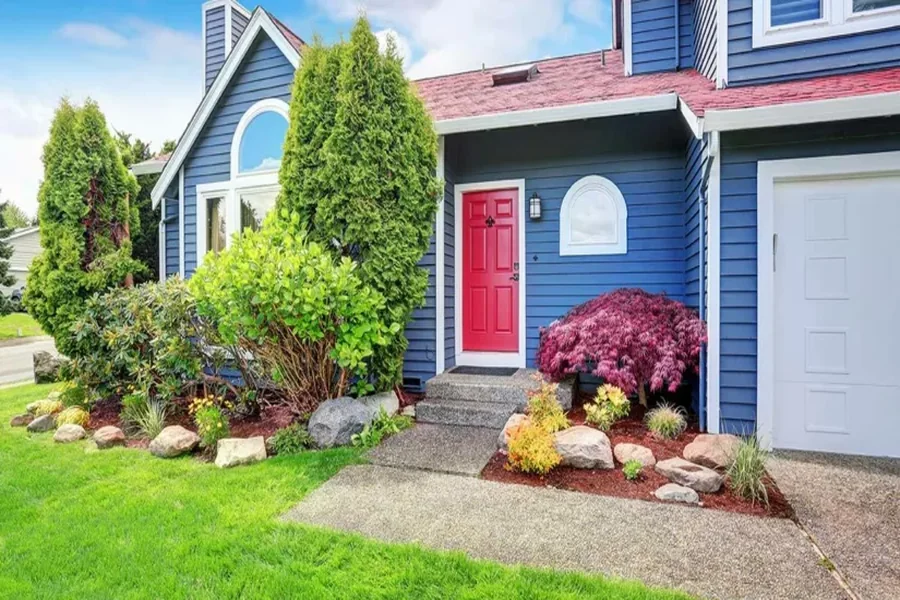
The choice of color, finish, and painting technique can significantly affect a home’s curb appeal. A carefully selected palette can highlight architectural details, complement landscaping, and create a cohesive appearance that attracts positive attention. Beyond mere aesthetics, color has psychological effects; lighter tones can make a smaller home appear more spacious, while darker hues can convey solidity and elegance. Design elements such as accent trims, shutters, and door frames add layers of sophistication, drawing the eye to unique features and enhancing the overall composition.
Consistent attention to details in color coordination demonstrates thoughtfulness and care, which resonates with visitors and potential buyers. Beyond personal preference, a well-executed color scheme, as achieved by Willard and Ward Pro Painting, can align with neighborhood standards or trends, ensuring that the property does not appear outdated or incongruous. This visual transformation is often the first impression a property makes, setting the stage for perceived value and desirability.
Protection and Longevity for the Home
Exterior painting is not purely decorative; it functions as a crucial protective layer against environmental elements. Weather conditions such as rain, sun exposure, wind, and temperature fluctuations can deteriorate building materials over time, leading to rot, warping, or structural damage. A high-quality paint application seals surfaces, preventing moisture infiltration and shielding wood, siding, and other materials from degradation. Additionally, paint acts as a barrier against UV rays, which can fade and weaken exterior materials. By maintaining the home’s outer layer, homeowners can extend the life of siding, trim, and other surfaces, ultimately reducing maintenance costs and preserving the property’s structural integrity. Beyond immediate protection, exterior painting demonstrates proactive care.
A well-maintained façade signals that the homeowner values upkeep and is attentive to the property’s condition, which can influence the perceived reliability and trustworthiness of the home during inspections and showings. This protective function is both practical and persuasive in real estate contexts, where longevity and durability carry significant weight in property valuation.
Increasing Property Value and Marketability
A visually appealing and well-maintained exterior can have a tangible impact on property value. Potential buyers often assess the condition of a home’s exterior before considering its interior features, and a refreshed façade can convey quality and attention to detail that enhances marketability. Properties with recent exterior painting projects tend to sell faster and may command higher offers because the visual impression suggests care and modernity. Real estate professionals frequently note that exterior updates, including paint, offer a strong return on investment by attracting more interest and reducing perceived risks associated with deferred maintenance.
Beyond attracting buyers, a striking exterior can enhance the home’s standing within the neighborhood, subtly influencing appraisals and comparative market analyses. Buyers and appraisers often equate an attractive, well-maintained exterior with fewer hidden problems, creating confidence in the home’s condition. By investing in exterior painting, homeowners not only enhance the aesthetic appeal of their property but also position it as a more valuable, competitive option in the real estate market.
Reflecting Personality and Lifestyle
Exterior painting allows homeowners to express their taste, personality, and lifestyle through visual cues. The color palette and finish choices can communicate warmth, elegance, modernity, or tradition, giving observers an impression of the people behind the property. Well-chosen exterior designs that harmonize with architectural style, landscaping, and the surrounding environment create a sense of identity and cohesion, enhancing the property’s character. This expression extends beyond personal satisfaction; it can shape perceptions among neighbors, visitors, and potential buyers, contributing to an overall narrative of the property’s value.
Attention to color coordination, accent details, and professional finish demonstrates a thoughtful approach to homeownership, reinforcing the idea that the property has been maintained with care and intentionality. By integrating personal taste with strategic design principles, exterior painting becomes a tool for both self-expression and market positioning, allowing a property to stand out in a crowded market while conveying stability, pride, and aesthetic awareness.
Exterior painting serves as both a functional investment and a visual enhancement, influencing how a property is perceived and valued. From boosting curb appeal through color and design to providing essential protection against environmental wear, painting supports long-term maintenance and structural integrity. Additionally, a refreshed exterior increases marketability, attracts buyers, and can elevate property value by signaling attention to detail and care. Beyond financial and practical benefits, painting reflects personality, lifestyle, and pride in homeownership, allowing a property to convey identity and quality at first glance.