
Sustaining Structural Integrity: Why Ongoing Basement Inspections Matter After Waterproofing
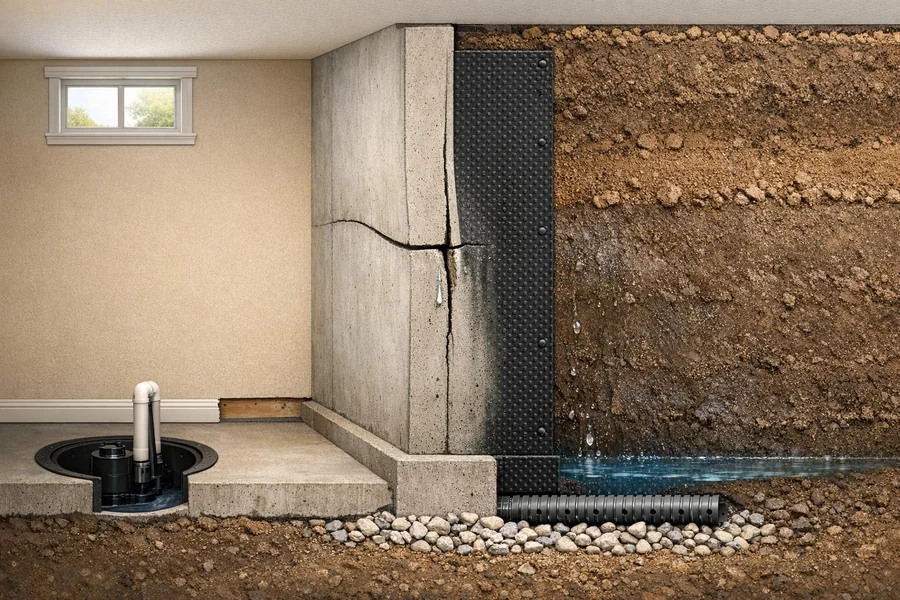
Waterproofing a basement is often seen as a long-term solution to moisture intrusion, yet it is only one part of a broader maintenance cycle. We will explore how regular inspections after waterproofing help ensure that the initial investment continues to perform as intended. Even well-executed waterproofing systems are subject to environmental pressure, material aging, and shifting soil conditions. Without periodic evaluation, minor issues can develop into significant concerns that compromise both the structure and indoor environment. A proactive inspection routine allows homeowners to identify early warning signs, preserve structural integrity, and maintain a healthy living space over time.
Understanding Post-Waterproofing Vulnerabilities
Once a basement has been waterproofed, it is easy to assume that the problem has been permanently resolved. However, waterproofing systems operate within a dynamic environment where hydrostatic pressure, seasonal rainfall, and soil expansion constantly interact with the structure. Over time, these factors can introduce stress points that were not visible immediately after installation. Small cracks may develop along foundation walls, drainage systems can become obstructed, and sealants may gradually lose their effectiveness. Regular inspections are critical in identifying these vulnerabilities before they escalate.
By assessing wall surfaces, joints, sump pump functionality, and drainage pathways, homeowners can detect subtle changes that indicate potential failure points. This process not only preserves the waterproofing system but also extends the life of the foundation itself, particularly when considering solutions like basement waterproofing in Joplin from Firm Foundation Repair as part of a long-term maintenance strategy. Ignoring these post-installation dynamics often leads to recurring moisture issues, which can negate the original purpose of waterproofing and result in additional repair costs.
Protecting Indoor Air Quality and Living Conditions
A basement is not just a structural component; it also directly influences the air quality and comfort of the entire home. Moisture intrusion, even in small amounts, creates an environment where mold and mildew can thrive. These biological contaminants release spores that circulate through the air, potentially affecting respiratory health and overall indoor comfort. Regular basement inspections after waterproofing play a key role in preventing such conditions from developing. Inspectors can evaluate humidity levels, check for condensation on surfaces, and identify areas where ventilation may be insufficient. Addressing these issues early ensures that the basement remains dry and contributes positively to the indoor environment.
Additionally, consistent monitoring helps detect hidden leaks behind walls or under flooring, which might otherwise go unnoticed until visible damage appears. Maintaining a dry and well-ventilated basement supports a healthier home environment and reduces the likelihood of long-term complications related to dampness.
Preserving Structural Stability and Property Value
The foundation of a home is its primary support system, and any compromise to its integrity can have far-reaching consequences. Waterproofing helps protect this foundation, but ongoing inspections are necessary to ensure that the protection remains intact. Over time, shifts in soil composition or external pressure can affect the alignment and stability of foundation walls. Regular inspections allow for early detection of issues such as wall bowing, uneven settling, or minor fractures. Addressing these concerns promptly prevents them from developing into structural failures that require extensive intervention.
Beyond structural considerations, maintaining a well-inspected basement also contributes to property value. Prospective buyers often view a dry and stable basement as a sign of proper maintenance and care. Documentation of routine inspections can serve as evidence that the property has been consistently monitored, adding confidence for future transactions. In this way, inspections are not merely a maintenance task but a strategic measure to protect long-term investment.
Enhancing the Longevity of Waterproofing Systems
Waterproofing systems are designed to manage moisture, but like any construction component, they are subject to wear and environmental impact. Drainage channels can accumulate debris, sump pumps may experience mechanical fatigue, and sealants can degrade under constant exposure to moisture and temperature fluctuations. Regular inspections provide an opportunity to evaluate the performance of these components and ensure they are functioning as intended. Maintenance tasks such as clearing drainage pathways, testing pump operation, and reapplying sealants as needed can significantly extend the system’s lifespan.
Without these routine checks, small inefficiencies can reduce the overall effectiveness of waterproofing measures, eventually leading to system failure. Consistent evaluation ensures that each element continues to operate cohesively, maintaining the barrier against water intrusion. This approach not only preserves the initial investment but also minimizes the likelihood of unexpected repairs, allowing homeowners to manage their property with greater confidence and predictability.
Regular basement inspections after waterproofing are essential to maintain the effectiveness of moisture-control measures and safeguard the overall condition of a home. By consistently evaluating the basement, homeowners can address minor concerns before they escalate into costly problems. This ongoing attention reinforces the durability of waterproofing systems and supports long-term property value. Ultimately, inspections are not optional but a necessary practice that ensures the benefits of waterproofing continue to provide reliable protection over time.