
Redefining Office Comfort with Modern Workspace Amenities
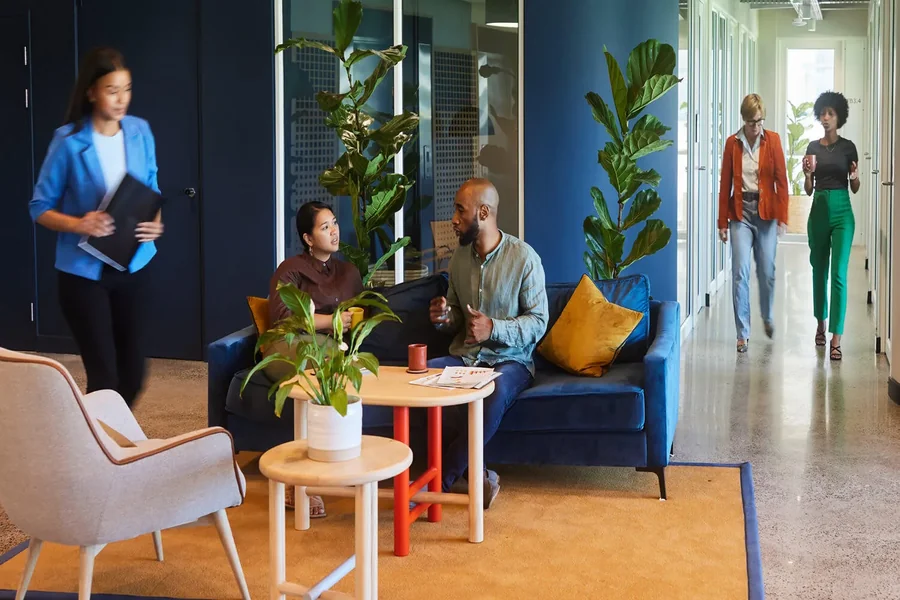
We will explore how the meaning of office comfort has evolved beyond traditional desks and rigid layouts into something far more dynamic and human-centered. Today’s professionals are not just looking for a place to work; they are seeking environments that support focus, creativity, and well-being throughout the day. From thoughtfully designed communal areas to wellness-driven features, modern workspaces reflect a shift in priorities. Comfort is no longer about convenience alone but about creating an ecosystem that adapts to different working styles. This transformation is redefining how individuals engage with their surroundings, ultimately influencing productivity, collaboration, and overall satisfaction.
The Evolution of Workplace Design and Its Impact on Comfort
The traditional office once revolved around uniform cubicles, fluorescent lighting, and fixed schedules, offering little room for personal expression or flexibility. Over time, organizations began to recognize that such rigid structures often hindered creativity and morale. Modern workspace amenities have emerged in response to these limitations, emphasizing adaptability and human-centric design. Open layouts now coexist with private pods, giving individuals the freedom to choose how and where they work. Ergonomic furniture has become a standard consideration, reducing physical strain during long working hours.
Additionally, natural light, greenery, and carefully curated interiors in Jersey City contribute to a calming atmosphere that enhances mental clarity. These elements collectively redefine comfort by aligning the physical environment with users’ psychological needs. Instead of forcing individuals to adjust to a static setup, the workspace now adapts to them, promoting a sense of ownership and ease that was previously absent.
Flexible Amenities That Support Diverse Work Styles
Modern professionals rarely adhere to a single mode of working throughout the day. Some tasks require deep concentration, while others thrive on collaboration and interaction. Recognizing this diversity, contemporary workspaces incorporate amenities that cater to multiple work styles simultaneously. Quiet zones provide a refuge for focused tasks, while collaborative lounges encourage brainstorming and team discussions. Meeting rooms are no longer confined to formal settings; they now include informal spaces that inspire relaxed yet productive conversations.
Technology also plays a pivotal role, with high-speed connectivity, seamless booking systems, and integrated tools that streamline daily operations. Breakout areas equipped with comfortable seating allow individuals to recharge without leaving the workspace entirely. This flexibility ensures that users can transition between tasks without disruption, maintaining momentum and efficiency. By offering a range of options within a single environment, modern offices create a balanced ecosystem where comfort is defined by choice rather than limitation.
Wellness-Oriented Features and Their Role in Daily Productivity
A significant shift in workspace design is the emphasis on wellness, acknowledging that physical and mental health directly influence performance. Modern amenities now include features that support well-being, such as relaxation zones, fitness areas, and access to healthy refreshments. Air quality, temperature control, and acoustics are carefully managed to create a comfortable sensory experience. Natural elements, such as indoor plants and water features, contribute to a sense of calm and reduce stress levels. Spaces designed for mindfulness or quiet reflection provide an opportunity to step away from demanding tasks and regain focus.
These additions go beyond aesthetic appeal; they play a functional role in sustaining energy and preventing burnout. When individuals feel physically comfortable and mentally supported, they are more likely to remain engaged and motivated. This holistic approach to comfort transforms the workspace into a place that nurtures both productivity and well-being, rather than prioritizing one over the other.
Community-Centric Spaces That Encourage Connection and Innovation
Another defining aspect of modern workspace amenities is the emphasis on community and interaction. Traditional offices often limited communication to formal meetings, but contemporary environments encourage spontaneous connections that can lead to innovative ideas. Shared kitchens, lounges, and event spaces create opportunities for individuals from different backgrounds to interact and exchange perspectives. These interactions foster a sense of belonging, which is essential for long-term engagement and satisfaction. Networking events, workshops, and informal gatherings further strengthen this sense of community, turning the workspace into a hub of collaboration.
The design of these spaces often prioritizes openness and accessibility, making it easy for individuals to approach one another without hesitation. By facilitating meaningful connections, modern offices go beyond individual comfort and create a collective experience that enhances creativity and problem-solving. This community-driven approach redefines the workplace as not just a functional setting but a dynamic environment where ideas and relationships can flourish.
The concept of office comfort has undergone a profound transformation, shaped by the evolving needs of modern professionals. From adaptable layouts and flexible amenities to wellness-focused features and community-driven spaces, every element contributes to a more balanced and engaging work environment. Comfort is no longer confined to physical convenience; it also encompasses emotional and social well-being. As work continues to evolve, these innovations will likely set new standards for how spaces are designed and experienced. The modern workspace is not just a place to complete tasks; it is an environment that supports growth, connection, and sustained productivity.