Airflow is one of the most critical factors in an HVAC system’s performance. Without proper airflow, even the most advanced HVAC units can struggle to maintain the desired temperature and efficiency. Poor airflow can lead to increased energy consumption, discomfort, and a higher risk of system failure. That is why regular airflow inspections are necessary to ensure your HVAC system operates at its full potential. During an inspection, an HVAC contractor looks for several key issues that could be impacting airflow, from duct blockages to improperly sized components. These inspections help identify problems before they escalate, ensuring the system runs efficiently and extends its lifespan.
The Importance of Airflow for HVAC Systems
-
Identifying Ductwork Issues
Ductwork is a central part of your HVAC system, responsible for transporting air throughout your home or building. An HVAC contractor examines the ductwork carefully to identify leaks, blockages, or disconnections that could impede airflow. Leaky ducts waste energy by forcing the system to work harder, and blocked ducts prevent conditioned air from reaching the desired rooms. A contractor will check for any visible damage or obstructions in the ducts and measure airflow at various points to ensure it meets the system’s specifications. Find out more about Semper Fi Heating and Cooling services if you suspect that your ductwork may be underperforming or in need of repair. Fixing ductwork issues can greatly improve the overall efficiency of your HVAC system and help maintain consistent indoor temperatures.
-
Checking for Blockages in Vents and Filters
Another common issue that affects airflow is the accumulation of debris in vents and filters. Over time, dirt, dust, and pet hair can build up and restrict airflow through the system. During an airflow inspection, contractors clean or replace filters and check for blockages in the supply and return vents. Clogged filters reduce airflow and can cause the system to overheat or freeze up, leading to more serious issues. Similarly, if vents are blocked by furniture, curtains, or other obstructions, the air cannot circulate properly, affecting the entire heating or cooling process. Ensuring that filters and vents are free of debris is essential for optimal airflow and energy efficiency.
-
Measuring Air Pressure and Flow Rates
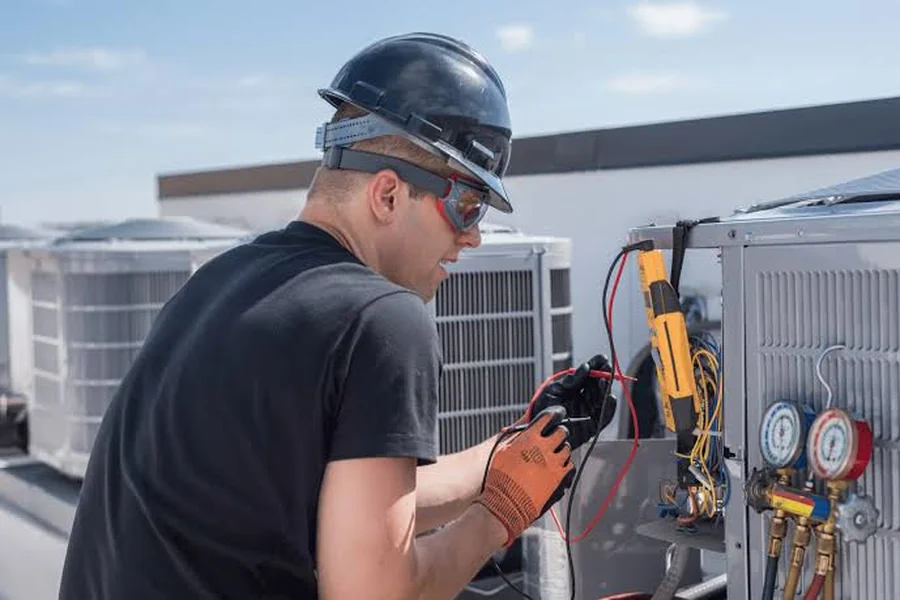
An HVAC contractor will use specialized tools to measure the air pressure and flow rates at various points throughout the system. By doing so, they can determine whether the system is providing the right amount of air to each room. If the airflow is insufficient, it could indicate issues such as imbalanced ductwork, an undersized system, or a blower motor problem. Contractors use these measurements to compare actual airflow against the manufacturer’s specifications for the system, and any significant discrepancies will alert them to potential issues. This step ensures that the HVAC system provides adequate ventilation and prevents unnecessary strain on components such as the compressor or furnace.
-
Evaluating System Sizing and Balance
Airflow problems are sometimes the result of an HVAC system that is either too large or too small for the space it’s supposed to serve. An improperly sized system can struggle to meet the building’s heating or cooling needs, leading to either short cycling or inadequate airflow. A contractor will assess whether the system is the right size based on the home or building’s square footage, insulation levels, and room layouts. Additionally, they evaluate the balance of airflow in various rooms. If certain areas are warmer or cooler than others, it may suggest an imbalance in the system that needs adjustment. Correcting these issues may involve recalibrating the system, resizing ducts, or replacing components to improve overall airflow distribution.
-
Inspecting the Blower Motor and Fan
The blower motor and fan play a crucial role in moving air through the HVAC system. During an airflow inspection, a contractor will inspect the motor for wear and tear, check the fan blades for damage, and assess whether the motor is running at optimal capacity. An inefficient or malfunctioning blower motor can significantly reduce airflow, causing the system to work harder and use more energy. Contractors also check the fan belt, lubricate the motor if necessary, and ensure that everything is functioning as it should. A well-maintained blower motor ensures that air flows freely throughout the system, improving comfort and reducing energy consumption.
An HVAC contractor’s role during an airflow inspection goes far beyond a simple visual check of the system. They perform a thorough evaluation of the ducts, filters, vents, blower motor, and system settings to ensure that air flows freely and efficiently. By identifying potential issues such as leaks, blockages, or improper system sizing, contractors can help homeowners and businesses maintain a comfortable and energy-efficient environment. Regular airflow inspections not only improve the performance of your HVAC system but also extend its lifespan and prevent costly repairs. With the right professional help, your HVAC system can run at its best, keeping you comfortable year-round.