
How to Build A Child’s Wardrobe That Actually Makes Sense as They Grow
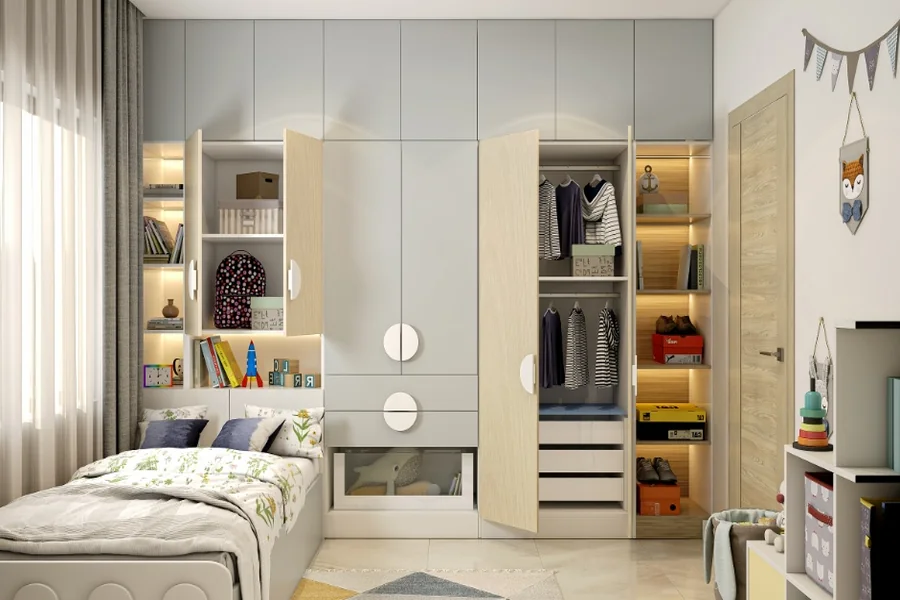
If you have ever stood in front of a bursting wardrobe and still felt like your child had nothing to wear, you are not alone. Children’s clothing has a way of multiplying and yet somehow never quite covering the right occasion. One minute you are hunting for something smart for a birthday lunch, the next you need something that can survive an afternoon at the park without looking like it went through a blender. Building a wardrobe that actually works takes a bit more thought than most parents realise, but once you get the approach right, it saves money, time, and a lot of morning stress.
Start With What They Actually Do
The first step is not about shopping at all. It is about observation. Look at your child’s typical week. School days, weekend outings, birthday parties, family dinners, beach days, playdates. Each of these calls for something slightly different, and most parents either over-invest in one category or completely forget another until they need it urgently.
For younger children especially, the balance tends to tip heavily toward casual and play-friendly clothing, which makes sense. But that does not mean the pieces have to be dull or poorly made. Some of the best children’s basics are designed to look put-together while still surviving a full day of running, climbing, and general chaos.
Quality Over Quantity Is Not Just a Saying
There is a reason parents who invest in well-made children’s clothing tend to spend less over time. Cheap fabrics pill, fade, and fall apart after a handful of washes. The sizing is often inconsistent, and by the third wear the shape has gone. Quality pieces, on the other hand, hold their structure, stay soft against the skin, and can often be handed down to younger siblings in genuinely good condition.
This is particularly true for outerwear, footwear, and anything worn close to the skin. These are the items worth spending more on because they interact directly with a child’s comfort and health. Soft organic cotton, breathable fabrics, and non-toxic dyes are not luxury extras. They are worth treating as non-negotiables.
Building Around a Colour Palette
One of the easiest ways to make a children’s wardrobe more functional is to build around a loose colour palette. This does not mean everything has to match perfectly, but it does mean that most pieces should be able to work together with minimal effort. Neutral tones, earthy colours, and classic whites and navies tend to pair well across different styles and occasions.
The beauty of this approach is that it also opens the door to more interesting statement pieces. A bold printed jacket or a uniquely designed dress stands out far more beautifully when it is not competing with ten other loud patterns. Children’s fashion has evolved significantly over the past decade, and there are genuinely striking, thoughtfully designed pieces available now that feel as considered as adult fashion.
Mixing Premium and Everyday
A practical wardrobe does not mean everything has to come from the same price point. The smart approach is to identify which pieces genuinely benefit from a higher investment and which ones are better bought more affordably because they will be outgrown in two months.
School uniform staples, swimwear that is used three times a year, and novelty themed pieces tend to fall into the replace-often category. Structured occasion wear, quality knitwear, good shoes, and timeless basics are where a higher spend makes sense. Retailers like Kids21 Singapore have built a strong following among parents who think this way, offering carefully curated collections from some of the world’s most respected children’s designers without having to source from multiple places.
Room to Grow Without Buying Up
One trap many parents fall into is buying everything in the exact current size. Children grow fast, sometimes in bursts that seem to happen overnight. Buying slightly ahead in size for staple pieces like coats, knitwear, and casual trousers gives you more wear out of each item. For fitted pieces like shirts and dresses, current sizing usually makes more sense, but for anything with a relaxed cut, going one size up is rarely noticeable and buys you significantly more time.
The Capsule Mindset for Kids
The capsule wardrobe concept, long popular in adult fashion, translates surprisingly well to children’s clothing. The idea is simple. A smaller number of versatile, high-quality pieces that all work together covers more ground than a wardrobe stuffed with things that only work in very specific combinations. For children, this might look like five or six well-chosen tops, three pairs of bottoms, one or two smarter outfits, a good jacket, and solid footwear options for different activities.
When you approach it this way, getting dressed becomes easier for everyone. The child feels confident because everything fits well and looks good. The parent spends less time managing clutter and more time on things that actually matter.
A wardrobe built with intention, even a small one, always outperforms a wardrobe built on impulse. And that is as true for children as it is for anyone else.