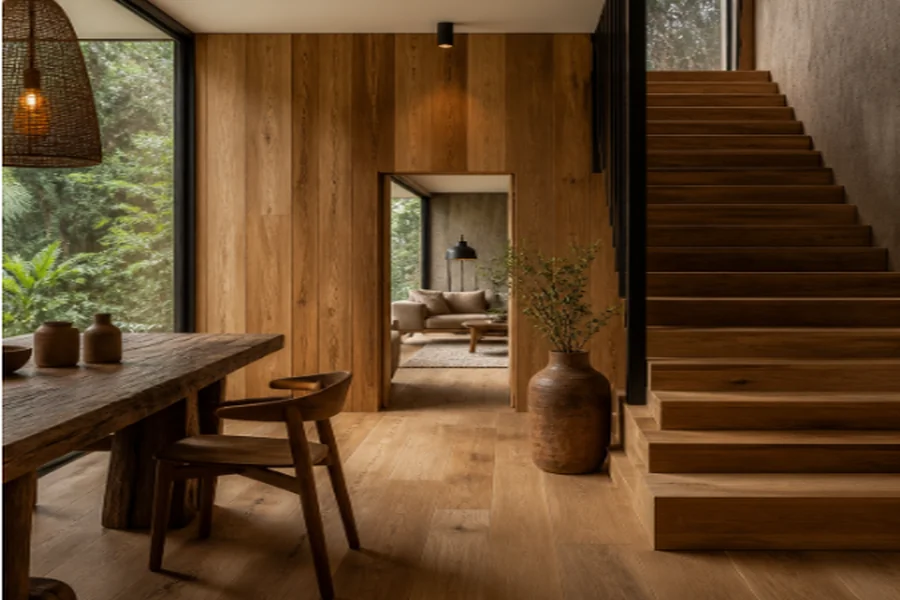
Wood is one of the most enduring materials in human history. It has sheltered us, inspired us, and shaped the way we tell stories — both in architecture and in art. Whether you are restoring a weathered cabin deep in the forest or designing a sleek modern interior, wood carries a weight of meaning that few other materials can match. Its grain, texture, and warmth speak to something primal in us, something that connects the built environment to the natural world. In recent years, designers, filmmakers, and craftspeople alike have returned to wood with renewed appreciation, recognizing that its imperfections are not flaws but features.
The Timeless Appeal of Natural Wood in Interior Design
Walk into any space finished with quality wood — whether it is wide-plank hardwood flooring, exposed ceiling beams, or carefully crafted cabinetry — and you immediately feel a shift in atmosphere. Wood introduces warmth, depth, and a sense of permanence that synthetic materials simply cannot replicate. Interior designers consistently rank natural wood among the most versatile and emotionally resonant materials available, capable of anchoring both minimalist Scandinavian aesthetics and richly layered traditional interiors.
The species of wood chosen for a project communicates as much as the design itself. White oak speaks of understated elegance. Walnut suggests sophistication and depth. Cedar, with its aromatic qualities and natural resistance to moisture and insects, has long been prized for both functional and decorative applications — from closet linings to exterior cladding. Each species brings its own character, and skilled designers know how to let that character lead rather than suppress it.
Matching Wood Species to Design Intent
Choosing the right wood species is not merely an aesthetic decision — it is a structural and environmental one as well. Hardwoods like maple and hickory are ideal for high-traffic flooring, while softer woods like pine lend themselves beautifully to painted millwork and rustic furniture. Cedar and redwood, with their natural oils, are exceptional choices for outdoor applications, resisting rot and weathering far longer than pressure-treated alternatives. Understanding the properties of each species allows designers and homeowners to make choices that are both beautiful and practical, ensuring that the material performs as well as it looks over the long term.
Repairing and Restoring Wood: The Art of Preservation
One of the most compelling aspects of wood as a material is its repairability. Unlike tile that cracks or metal that corrodes, wood can often be restored to near-original condition with the right techniques and products. Wood filler, for instance, is an essential tool in any restoration project, allowing craftspeople to address gouges, cracks, and holes without replacing entire boards or panels. Knowing how to use wood filler effectively can extend the life of wood surfaces by decades, preserving both the material investment and the aesthetic integrity of a space.
Restoration work requires patience and an eye for detail. The goal is not to make old wood look new, but to honor its history while ensuring its longevity. This philosophy applies equally to antique furniture, heritage flooring, and architectural millwork. A well-executed repair is nearly invisible, allowing the wood’s natural beauty to remain the focal point rather than the damage it once bore. Skilled restorers understand that every scratch and dent tells a story, and their job is to preserve that narrative while preventing further deterioration.
When to Repair Versus Replace
The decision to repair or replace wood elements is one that homeowners and designers face regularly. In most cases, repair is the more sustainable and cost-effective choice. Surface damage — scratches, minor gouges, small cracks — almost always responds well to filling, sanding, and refinishing. Structural damage, such as rot that has penetrated deeply into a beam or joist, may require replacement. The key is early intervention: catching damage before it spreads is the most reliable way to preserve wood elements and avoid costly overhauls down the line.
Wood, Atmosphere, and the Stories We Tell
Wood does not just shape physical spaces — it shapes narratives. Think of the iconic cabin in the woods, a setting so evocative that it has become a cultural archetype in film and literature. The isolation, the creaking floorboards, the rough-hewn walls — all of these elements combine to create an atmosphere that is simultaneously comforting and unsettling. For fans of atmospheric horror and psychological thrillers, exploring films similar to Cabin in the Woods reveals just how powerfully a wooden setting can anchor a story’s emotional core, transforming a simple structure into a character in its own right.
This narrative power is not limited to fiction. Real cabins, lodges, and wood-framed homes carry their own stories — of families who gathered around hearths, of craftspeople who shaped each joint by hand, of seasons that left their marks in the grain. When we choose wood for our spaces, we are choosing to participate in that ongoing story, adding our own chapter to a material history that stretches back thousands of years.
Liberty Cedar: A Trusted Name in Premium Wood Products
For those who take wood seriously — whether for architectural applications, interior design, or large-scale commercial projects — sourcing from a reputable supplier is essential. Liberty Cedar has built a strong reputation as a premier provider of high-quality cedar and specialty wood products, serving architects, builders, and designers who demand both consistency and excellence. Their commitment to sustainable sourcing and rigorous quality standards makes them a trusted partner for projects where the material must perform beautifully over the long term.
What sets Liberty Cedar apart is not just the quality of their product inventory, but the depth of expertise they bring to every client relationship. From selecting the right species and grade for a specific application to advising on finishing and maintenance, their team understands wood at a level that goes far beyond simple supply. For designers and builders who want a partner rather than just a vendor, that kind of knowledge is invaluable.
Conclusion: Choosing Wood with Intention
Wood is not a passive material. It breathes, moves, ages, and responds to its environment in ways that demand respect and understanding. Whether you are selecting cedar cladding for a coastal home, restoring a century-old hardwood floor, or simply filling a crack in a beloved piece of furniture, the choices you make about wood reflect a deeper set of values — about craftsmanship, sustainability, and the kind of spaces you want to inhabit. In a world increasingly dominated by disposable materials and fast design, choosing wood with intention is a quiet act of resistance, a commitment to quality that will outlast trends and endure through generations.