A heating or cooling system that runs for long stretches without reaching the desired temperature usually signals more than a simple comfort issue. It often means the system is working harder than it should while the home still feels uneven, warm, cold, or humid. That kind of nonstop operation can raise utility costs, increase component wear, and leave homeowners frustrated because the equipment seems active without delivering results. An HVAC contractor looks beyond the runtime itself and examines airflow, capacity, heat gain, control settings, and mechanical condition to understand why the system cannot keep up with the home’s demand.
Why Airflow Restrictions Keep Systems Running
-
Where The Problem Usually Starts
When a system runs constantly without keeping up, an HVAC contractor first looks at the overall relationship between the equipment and the house it is serving. A unit may be operating continuously because the actual load inside the home exceeds what the system can handle under current conditions. That can happen when insulation is weak, attic heat builds up, windows allow too much solar gain, or air leakage lets conditioned air escape while outdoor air keeps entering. Contractors also consider whether the equipment was properly sized in the first place, because a system that is too small for the structure may never fully keep up during extreme weather. Even when the equipment size is technically close, changes made over time can affect performance. Room additions, altered duct runs, aging windows, and shifting occupancy patterns can all change how the house behaves. Instead of assuming the unit is failing immediately, a careful contractor studies whether the system is struggling because the home is demanding more than the original design ever anticipated.
-
Airflow Problems That Limit Performance
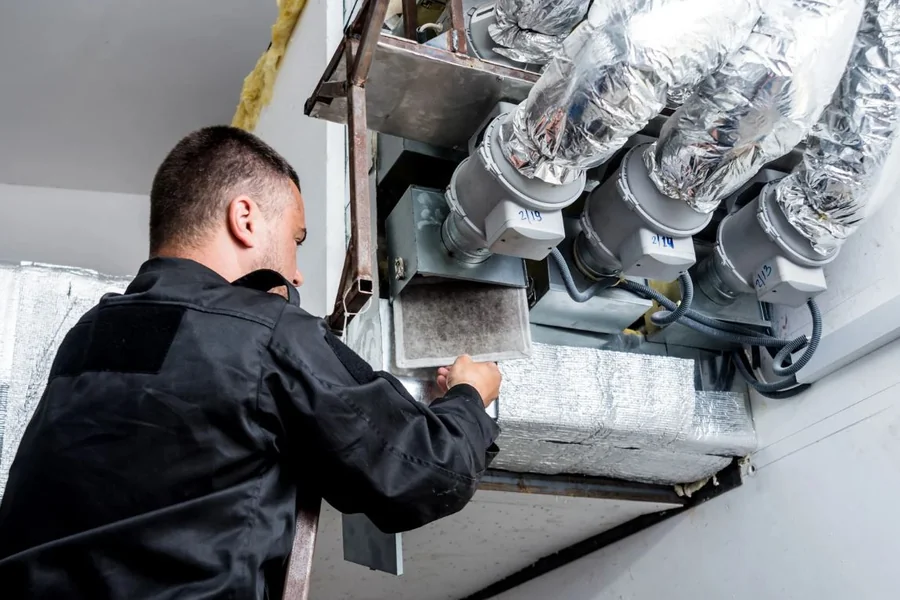
After reviewing the home’s overall demand, the contractor often turns their attention to airflow, as poor air movement is one of the most common reasons a system fails to provide adequate comfort. Restricted airflow can prevent the equipment from transferring heat or cooling effectively, so the unit keeps operating, but the living space never responds as it should. Dirty filters, blocked return grilles, undersized ductwork, leaking ducts, collapsed flex lines, and blower issues can all reduce the amount of conditioned air reaching occupied rooms. In cooling mode, weak airflow can also lower coil temperature too much and contribute to icing, which further reduces performance. During this stage of diagnosis, some homeowners may look more closely into Fleetwell Air Conditioning, Heating, and Plumbing to understand how airflow testing, duct inspection, and blower evaluation relate to the continuous operation of the system. Contractors compare supply-and-return behavior, room-by-room delivery, and static pressure conditions to determine whether the system is being forced to run longer simply because it cannot move air as it was designed to.
-
Mechanical And Control Issues Matter Too
A system that runs constantly may also be experiencing mechanical or control-related problems that reduce output, even while the equipment appears to be functioning. An HVAC contractor checks whether the thermostat is reading accurately and whether its location is causing the unit to run based on conditions that do not represent the rest of the home. If the thermostat is placed near a hot hallway, direct sunlight, or a drafty area, it may keep calling for operation longer than necessary. Beyond controls, contractors evaluate refrigerant levels, coil condition, compressor performance, burner function, and electrical components to determine whether the system is producing its intended heating or cooling capacity. When a unit functions below its intended parameters, the resulting inefficiencies often cause utility costs to rise while indoor comfort drops. Addressing these underlying mechanical issues early can prevent minor component wear from turning into complete operational failures. Homeowners interested in standard maintenance procedures or specific system upgrades can continue reading to better understand how regular inspections preserve equipment longevity and support consistent temperature distribution throughout the living space. Taking a proactive approach to seasonal service helps ensure that critical components remain dependable during periods of extreme weather. A unit can sound normal and still fall short if a coil is dirty, the refrigerant charge is off, or a component is weakening under load. Long runtime can also reflect a gradual decline rather than a sudden failure, which is why measured testing matters. Contractors rely on readings, temperature differences, pressure behavior, and operating patterns to distinguish minor inefficiencies from deeper performance losses.
Accurate Diagnosis Leads To Real Relief
A system that runs all day without keeping up usually indicates a larger performance problem rather than a simple need to adjust the thermostat again. An HVAC contractor looks at the whole picture, including home load, insulation conditions, airflow restrictions, duct performance, thermostat behavior, and equipment output. That approach helps identify whether the issue comes from the house, the distribution system, the controls, or the mechanical side of the equipment itself. Once the real cause is found, the solution becomes much more effective and much less frustrating. Proper diagnosis can reduce runtime, improve comfort, lower strain on components, and help the home respond more evenly during demanding weather.