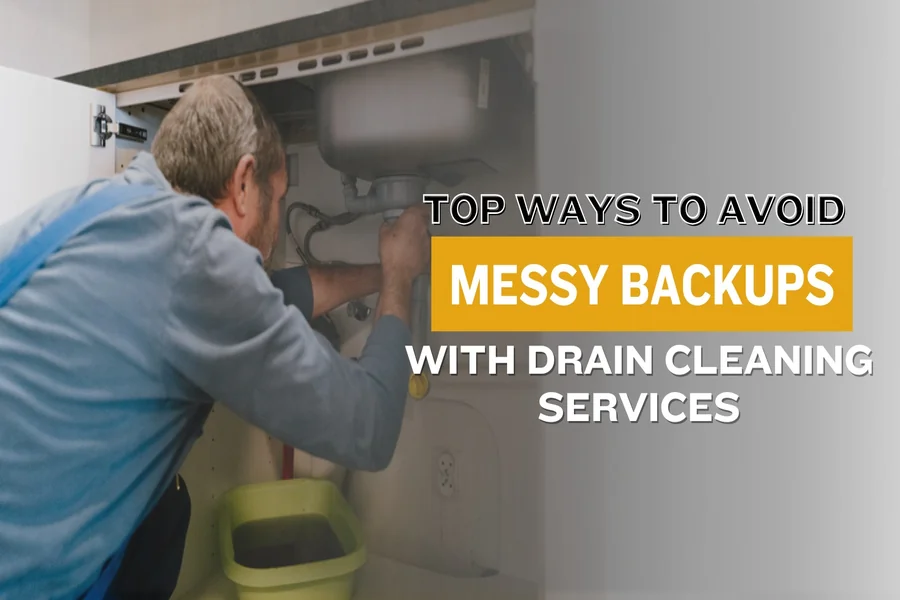
Ever had the sink slow down while you’re cleaning up after dinner? That’s often the first sign of a clogged drain, and it won’t clear on its own. However, if you act early, you can prevent water from backing up where it shouldn’t.
That’s why drain cleaning services matter, since they remove buildup before it becomes a bigger issue. Still, if multiple drains clog or you smell sewage, call an emergency plumber promptly to prevent further damage.
Let’s break down the early warning signs, the habits that prevent clogs, the best maintenance timing, and the moments you should call for urgent help.
1. Spot Trouble Early
You should do this, as minor warning signs often appear before a blockage becomes a significant issue. So, look for these red flags that suggest a clogged drain is forming:
- Slow sinks: Water takes longer than usual to drain.
- Gurgling drains: You hear bubbling sounds after flushing or running water.
- Recurring odors: The area continues to smell even after cleaning.
- Water pooling: Water collects near fixtures, floor drains, or outside cleanouts.
Most importantly, act as soon as you notice changes. When you respond early, you protect your floors and fixtures and reduce the chance you’ll need an emergency plumber after the problem escalates.
2. Stop Clogs at the Source
Stop clogs at the source by keeping problem materials out of your pipes. As a result, you reduce the chance of a clogged drain and avoid repeat issues. Start with these simple actions:
- Use drain strainers: Catch hair and food bits before they enter the line.
- Keep grease out of sinks: Wipe pans with a paper towel, then discard it.
- Skip food scraps: Scrape plates into the trash before rinsing or washing.
- Rinse with hot water: After heavy use, run hot water to help dislodge residue.
Also, follow simple disposal rules, as some items can clump, stick, or snag inside pipes. Therefore, keep these out of drains so you don’t end up calling an emergency plumber:
- Wipes: They don’t break down fast.
- Coffee grounds: They settle and build up.
- Hair: It tangles and holds debris.
- Soap buildup: It coats pipes and traps residue.
3. Schedule Drain Cleaning Services
Routine drain cleaning prevents backups because it clears the buildup you can’t see. Over time, grease, soap residue, hair, food particles, and mineral scale cling to pipe walls. It makes drains slow down first, then clog, and eventually overflow when you ignore the early signs.
Routine drain cleaning services help prevent significant problems in several ways:
- Remove hidden buildup early: Professionals clear residue before it hardens and restricts flow.
- Restore steady drainage: Cleaning improves water movement and reduces gurgling or odors.
- Lower overflow risk: When drains move water freely, sinks, tubs, and floor drains are less likely to back up.
- Identify developing issues: During cleaning, a plumber can spot early signs of root intrusion, corrosion, or misaligned pipes.
A practical schedule depends on the size of your home and daily usage. Follow a schedule that matches your household’s use. Consider these:
- Light use: Every 18–24 months
- Moderate use: Every 12–18 months
- Heavy use or recurring issues: Every 6–12 months, plus a yearly main-line check when needed.
4. Call an Emergency Plumber Fast
Call for help fast when a drain or sewer issue becomes a health risk or threatens water damage. In particular, treat the following situations as urgent because they often point to a main-line blockage or sewer backup:
- Sewage smell: Odors indoors can signal a backup or a broken seal that needs immediate attention.
- Multiple drains backing up: If several fixtures back up simultaneously, the blockage is likely located deeper in the system.
- Water returning in tubs or showers: Water rising through a lower fixture typically indicates that the main drain cannot effectively remove wastewater.
While you wait for an emergency plumber, take the following steps to reduce damage and keep the area safer:
- Stop using fixtures to avoid pushing more water into the system.
- Shut off the water if the overflow continues or the level rises.
- Protect floors by moving rugs/valuables and using towels to contain water.
- Prepare access by clearing the area around drains, cleanouts, and the main shutoff.
Keep Backups Off-Limits!
Fast drains save time and stress, so don’t ignore slow water flow. Act early to prevent backups, and keep grease, wipes, and food scraps out of your pipes.
If slow drains persist, schedule drain cleaning services. Then, if several drains back up or water returns where it shouldn’t, call an emergency plumber right away. For dependable help, contact trusted drainage services in Birmingham, AL.